Name the whole cost, not the sticker price
A car is not the price of a car: it is the price plus tax, registration, insurance changes, and the first service. A roof is the quote plus the surprise the contractor finds. A baby is the equipment plus the change in monthly income.
Write the sticker price, then write everything attached to it. The number will be larger and, for the first time, honest.
Pick a date, even a soft one
A cost without a date cannot be planned; it can only be worried about. "Next spring" is a perfectly good date. So is "within two years".
The date turns the total into a monthly figure, and a monthly figure is something a household can actually decide about.
Work backwards to a monthly amount
Subtract what is already set aside, divide the remainder by the number of months until the date, and you have the amount to save each month. That single number is the whole plan.
If the monthly amount is uncomfortable, you have exactly three levers: move the date later, reduce the cost, or find more room in the month. Naming the three makes the decision calmer than staring at the total.
Check it against what the month actually has
Compare the monthly amount to what is left after fixed costs, bills, and normal living. If it fits with room to spare, the plan is realistic. If it uses everything, it will break the first time a tyre does.
Aim to use part of what is available, not all of it. A plan with slack survives an ordinary bad month.
Keep the money somewhere slightly inconvenient
Money for a named purpose should not sit in the account used for groceries. A separate savings account is enough friction for most households.
Name the account after the goal. "Roof" is harder to spend than "Savings".
Re-check the plan every few months
Costs move, dates move, and income moves. A plan reviewed quarterly stays true; a plan set once quietly becomes fiction.
If a review shows you are behind, adjust the date first. Deadlines are usually softer than budgets.
Free calculator
How much per month?
Still to save: $3,000
$250
per month
Nothing is saved or sent anywhere — this calculator runs in your browser. Educational only, not financial advice.
Common questions
- How do I work out how much to save each month for a large expense?
- Subtract what you have already saved from the full cost, then divide by the number of months until you need it. That gives the monthly amount required.
- What if the monthly amount is too high?
- There are three levers: move the date later, reduce the cost, or free up room in the monthly budget. Moving the date is usually the least disruptive.
- Where should money for a planned expense be kept?
- In a separate account from everyday spending, named after the purpose. The small amount of friction prevents it from being absorbed by ordinary months.
Continue with
More resources for this
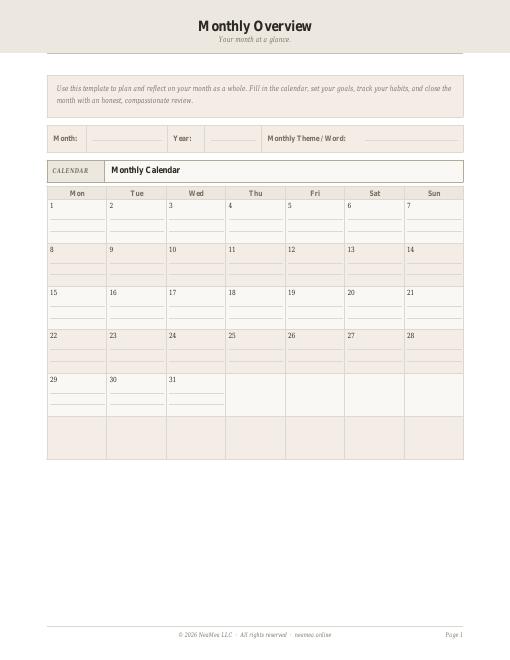
Monthly Overview Template
One page for the month. A calm view of the shape ahead.
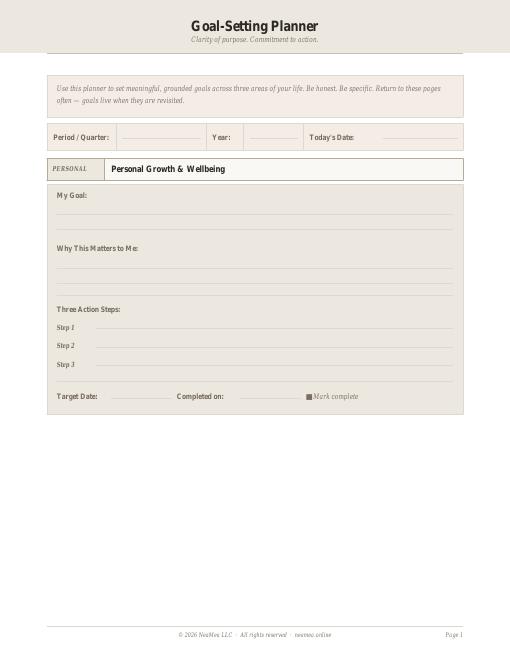
Goal Setting Planner
A quiet frame for what matters — intentions written down without pressure.
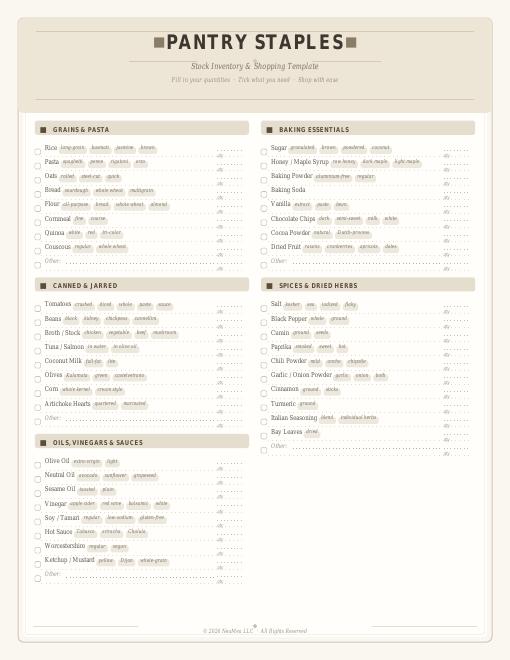
Pantry Staples 2026
A quiet baseline for the shelves — what to keep on hand without overthinking it.
Please note. This guide is general education about household organization. It is not financial, tax, or legal advice, and it does not take your personal circumstances into account.
© 2026 NEAMEA LLC. All rights reserved. Free NeaMea templates are for personal household use; please do not resell or redistribute them.